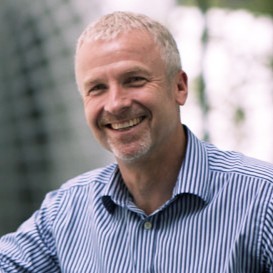
Tom Willis

(he/him)

Tom Willis

Shoreham Port

Chief Executive Officer

ABOUT THE SPEAKER

Tom Willis is Chief Executive of Shoreham Port and Board Chair of Sutton Decentralised Energy Network Ltd. He is a values-focused chief executive and board member with a multi-sector track record in transformational strategy, organisational culture, innovation, growth and stakeholder engagement. At Shoreham Port, Tom is responsible for the long-term strategic development of a 260-year-old Trust Port, driving growth, change, innovation and cultural improvement. His broader leadership experience includes senior roles at Heathrow and Royal Mail, with board-level experience across governance, major capital delivery, green energy transition, industrial relations, customer value creation and regulated operating environments.

Sessions
Peter Lane

Tom Willis

Risks, Challenges and Opportunities of a Deep Tech Cluster

A deep tech cluster is not built on ambition alone. It needs serious power, serious planning, specialist skills, infrastructure, investment and the right conditions for companies to stay, scale and manufacture here. This fireside conversation looks honestly at what could stop a Sussex deep tech and advanced manufacturing cluster in its tracks. From grid capacity, energy cost and planning constraints to the quieter risks around skills, talent retention, over-reliance on a small number of flagship companies and the pull of London, the session asks what needs to be faced now if the opportunity is going to become real. Led by Peter Lane, Head of University Services at Sussex Innovation, the conversation brings together Peter’s experience in research commercialisation and disruptive technology with Tom Willis’s perspective as Chief Executive of Shoreham Port and Board Chair of Sutton Decentralised Energy Network. Tom brings direct experience of long-term infrastructure, green energy transition, regulated environments, stakeholder engagement and the practical realities of place-based economic development. Together, they will move from visible risks into the opportunities that only become possible when those risks are named openly. What does Sussex have that other places do not? Could the coast itself become part of the infrastructure story? How do energy, manufacturing, universities, investors and local industry work together to create something distinctive? This is not a session about talking up a cluster because it sounds exciting. It is about asking the harder question: what would it actually take to keep one alive?

Peter Lane

Tom Willis

Risks, Challenges and Opportunities of a Deep Tech Cluster

A deep tech cluster is not built on ambition alone. It needs serious power, serious planning, specialist skills, infrastructure, investment and the right conditions for companies to stay, scale and manufacture here. This fireside conversation looks honestly at what could stop a Sussex deep tech and advanced manufacturing cluster in its tracks. From grid capacity, energy cost and planning constraints to the quieter risks around skills, talent retention, over-reliance on a small number of flagship companies and the pull of London, the session asks what needs to be faced now if the opportunity is going to become real. Led by Peter Lane, Head of University Services at Sussex Innovation, the conversation brings together Peter’s experience in research commercialisation and disruptive technology with Tom Willis’s perspective as Chief Executive of Shoreham Port and Board Chair of Sutton Decentralised Energy Network. Tom brings direct experience of long-term infrastructure, green energy transition, regulated environments, stakeholder engagement and the practical realities of place-based economic development. Together, they will move from visible risks into the opportunities that only become possible when those risks are named openly. What does Sussex have that other places do not? Could the coast itself become part of the infrastructure story? How do energy, manufacturing, universities, investors and local industry work together to create something distinctive? This is not a session about talking up a cluster because it sounds exciting. It is about asking the harder question: what would it actually take to keep one alive?